
Divorce Financial Planning Near Retirement

Divorce Financial Planning Near Retirement: Protect What You’ve Built

Divorce is difficult at any age. But divorce financial planning near retirement takes on a different weight entirely. After decades of saving, investing, and planning together, you’re suddenly making major decisions alone and often with limited time to recover from mistakes.

I’m Joseph Carbone, CFP®, founder of Focus Planning Group. For more than 25 years, I’ve helped individuals navigating divorce reimagine their retirement and turning uncertainty into a clear, confident plan.

Why Divorce Financial Planning Near Retirement Hits Harder

You may be asking questions like:

  • How will my retirement accounts and pension be divided?
  • Can I still retire when I planned to?
  • What happens to Social Security or survivor benefits?
  • Should I keep the house or sell it?
  • How do I invest after the divorce to rebuild stability?

These are not short-term questions; they’re decisions that will define the next chapter of your life.

Learn more about divorce and retirement from Schwab

Divorce Financial Planning Near Retirement: How I Help

My role is to help you organize, simplify, and protect your financial life through this transition, then manage it long-term so you can move forward confidently. Whether you’re just starting the process or finalizing a settlement, divorce financial planning near retirement requires a different level of care and strategy than at any other stage of life.

Comprehensive Financial Review

We’ll start with a full review of your assets, income sources, and retirement plans. I’ll help you understand your financial position today and what your post-divorce life looks like.

Settlement and Division Strategy

I’ll evaluate proposed settlements and show you how each option impacts taxes, cash flow, and long-term sustainability. Not every “equal” split is fair once you account for tax treatment and future growth potential.

FPA Divorce Planning Checklist

Retirement Income Planning After Divorce Near Retirement

Once the divorce is finalized, we’ll redesign your retirement strategy income streams, withdrawals, investment risk, and timing. The goal is to create a predictable income that fits your lifestyle and keeps your long-term goals intact.

Social Security and Pension Decisions

We’ll review eligibility for divorced-spouse benefits, pension division rules, and survivor benefits so you can maximize income and minimize surprises.

Long-Term Financial Planning

After your plan is in place, I’ll continue managing your investments to ensure your assets stay aligned with your goals and risk tolerance. Divorce financial planning near retirement does not end when the settlement is signed. You’ll always know where you stand, and you’ll never be left wondering if you’re on track.

Learn more about our retirement planning process

Why Ongoing Advice Matters in Divorce Financial Planning Near Retirement

A divorce settlement is just the beginning. Life, markets, and taxes all continue to change. Working with an advisor means you have someone continuously watching over your plan and adjusting it when needed and coordinating every piece of your financial life.

You Get:

  • Management of your investments and retirement income.
  • Continuous oversight as markets and tax laws shift.
  • A single point of contact for coordination with attorneys, accountants, and estate planners.
  • Peace of mind knowing your portfolio is professionally managed.

I work with clients who want a steady hand through life’s transitions.

What You’ll Gain

When you work with Focus Planning Group, you can expect:

  • A retirement strategy rebuilt around your new circumstances.
  • Smart investment management that prioritizes stability and long-term growth.
  • A coordinated tax and income plan for your post-divorce life.
  • Confidence that someone is managing your wealth with your best interests in mind.

Common Questions

Divorcing later in life is a different situation than divorcing in your 30s or 40s. By the time most couples separate at this stage, they’ve spent decades building shared assets: retirement accounts, a family home, pension benefits, and investment portfolios. All of that now has to be divided.

What makes divorce financial planning near retirement especially difficult is the timeline. There’s less time to recover financially. A 55-year-old going through a divorce has maybe 10 years before retirement becomes a real financial reality. That’s not much time to rebuild savings, rework a budget, or put together a new retirement income plan from scratch.

The financial issues that come up most often include dividing 401(k) and IRA accounts, figuring out what happens to a pension, sorting out Social Security, and deciding what to do with the family home. Each of those needs careful attention, not just from a legal standpoint, but from a long-term divorce financial planning near retirement perspective.

A generation ago, staying married was far more common later in life, even if the relationship wasn’t working. That has changed considerably. Divorce rates among adults over 50 have roughly doubled since the 1990s, even as overall divorce rates have declined.

A few things are driving this. People are living longer, which changes how they think about the years ahead. If you’re 58 and unhappy, you could be looking at 25 or 30 more years. That reality makes people more willing to make a difficult change.

Financial independence also plays a role. When both spouses have been working and building their own retirement savings, neither person is as economically dependent as they might have been in earlier generations. And the social stigma around divorce, particularly later in life, has largely faded.

In most cases, it has a significant impact. Retirement planning is built around a set of assumptions: how much you’ll have saved, what your monthly income will look like, what your expenses will be. Divorce changes nearly all of those at once.

The most immediate effect is that assets get divided. A retirement account that was supposed to support one household now has to stretch across two. A pension that seemed like enough for a couple may fall short when it’s split. Housing costs, healthcare, and everyday expenses also tend to go up when you’re living on your own.

The real question isn’t just how assets get divided. It’s whether you can actually sustain your lifestyle on your share. That’s worth figuring out before you finalize any settlement.

Yes, in many cases, and this surprises a lot of people going through a divorce later in life.

If your marriage lasted at least 10 years and you haven’t remarried, you may be eligible to claim a spousal benefit based on your ex-spouse’s Social Security record. That benefit can be up to 50% of what they’re entitled to at full retirement age. Your ex-spouse doesn’t lose anything if you claim. Their benefit stays the same.

There is one thing to know: you can only collect the spousal benefit if it’s more than what you’d receive on your own record. Social Security pays whichever amount is higher, not both. But for someone who spent years out of the workforce or earned significantly less than their spouse, this can make a real difference in retirement income.

The house tends to be one of the most emotional parts of any divorce, and also one of the most financially complicated. For couples who’ve lived somewhere for 20 or 30 years, there’s a lot of attachment tied to that property. But sentiment and financial sense don’t always line up.

The core question is whether keeping the house actually makes sense. Can one person realistically cover the mortgage, property taxes, insurance, and maintenance on their own? If the house is paid off, does holding onto it lock up money that would work better as liquid retirement income?

Capital gains are worth considering too. If the home has appreciated significantly over the years, selling it may trigger a tax event, though the exclusions for primary residences can offset some of that. Running the numbers carefully before making a decision tends to be worth it.

Pensions don’t get split the way a checking account does. The legal tool for dividing a pension, or a 401(k), is a court order called a Qualified Domestic Relations Order, commonly known as a QDRO. This document tells the pension plan administrator how benefits should be paid to each party.

Getting the QDRO right matters more than most people realize. The details that need to be worked out include whether the non-employee spouse receives a share of survivor benefits, how cost-of-living adjustments are handled, and whether early retirement provisions apply. An error in the QDRO can cost someone years of income.

Pensions are also easy to undervalue. Because they pay out monthly over time rather than sitting in an account with a visible balance, people sometimes don’t give them the same weight as a 401(k). Depending on the plan, the lifetime value of a pension can be very significant.

The most common one is making decisions based on emotion rather than numbers. The house is the obvious example. People push hard to keep it for sentimental reasons, without fully thinking through whether they can afford it on one income. A few years later, they’re property-rich and cash-poor heading into retirement.

Overlooking taxes is another frequent problem. Different assets carry different tax treatment. A traditional IRA and a Roth IRA with identical balances are not worth the same amount after taxes. A brokerage account with large embedded gains isn’t equivalent to one without them. Dividing assets without accounting for this means someone ends up with less than they thought.

A third mistake is waiting until after the settlement is signed to figure out whether you can actually live on what you agreed to. Building a retirement income projection before finalizing anything gives you far more leverage and far fewer surprises.

For many people, yes, though it often means adjusting the original plan. The timeline may shift. The lifestyle may look different. The income sources may include things that weren’t part of the original picture, like a spousal Social Security benefit or a pension share.

What tends to make the difference is doing the divorce financial planning near retirement before the settlement is finalized, not after. People who go into negotiations with a clear view of what their post-divorce retirement income will look like are in a much better position than those who piece it together later.

There are also practical options worth reviewing: when to claim Social Security, whether delaying retirement by a couple of years makes sense, whether downsizing housing frees up meaningful capital. These aren’t easy tradeoffs, but they’re workable ones when you have accurate numbers in front of you.

There’s no single answer, but divorcing later in life does leave less time to recover than divorcing in your 30s. Someone who divorces at 35 has decades of earning, saving, and compounding ahead. Someone divorcing at 58 is working with a shorter window.

That doesn’t mean recovery isn’t possible. It does mean the approach has to shift. The focus moves from building wealth to protecting what’s there. Expenses often need to come down, at least for a period. Retirement may be delayed by a year or two. Housing decisions carry more weight.

For most people, the starting point is an honest accounting of where things stand: what income is coming in, what expenses need to be covered, and whether those numbers hold up. From there, a workable plan can be put together, but it has to start with real numbers, not guesses.

If retirement accounts, a pension, or significant assets are involved, working with a financial planner is worth serious consideration. A divorce attorney handles the legal side of things, but legal and financial planning are not the same. An attorney can negotiate how assets get divided. What they can’t tell you is whether what you’re agreeing to will hold up through a 25-year retirement.

The cost of making a poor decision at this stage can be hard to undo. Having someone in your corner who understands both retirement planning and the financial side of divorce tends to pay for itself.

The Cost for Clear Financial Decisions

You Can Choose Between:

Full Service Ongoing Planning

For individuals who want retirement and post divorce planning, including settlement analysis, income strategy, tax planning, and ongoing investment management.

Fees start at 1% per year and goes down for every million you have invested with us at Charles Schwab.

This includes our structured retirement planning process and ongoing guidance as you transition into your next chapter.

Hourly Divorce & Retirement Planning

$300 per hour

For focused help on specific issues such as:

  • Evaluating settlement proposals
  • Pension and Social Security analysis
  • Asset division strategy
  • Retirement income modeling
  • Tax implications of property transfers

This is ideal if you want clarity before signing a final agreement.

How the Process Works

Step 1:

Schedule a Complimentary Intro Call

We begin with a brief 15-minute conversation to understand your goals and determine if this model aligns with your needs. There’s no prep or pressure, just clarity on next steps.

Step 2:

Discovery and Assessment

We gather details about your assets, accounts, insurance, and income to build a full picture of your finances.

Step 3:

Strategy and Implementation

You’ll receive a custom plan and investment strategy designed for your goals and risk tolerance. We’ll implement the plan and begin active management of your accounts.

Step 4:

Ongoing Relationship

As a client, you’ll have continuous support, annual reviews, proactive updates, and coordinated financial care.

See What our Clients Are Saying About Us

  • Honest, trustworthy, and dependable

    Joe truly wants to help. He asks questions and listens to what you have to say. He is always available to answer questions and responds quickly.
    Laura
    November 5, 2024

Why Clients Choose Focus Planning Group

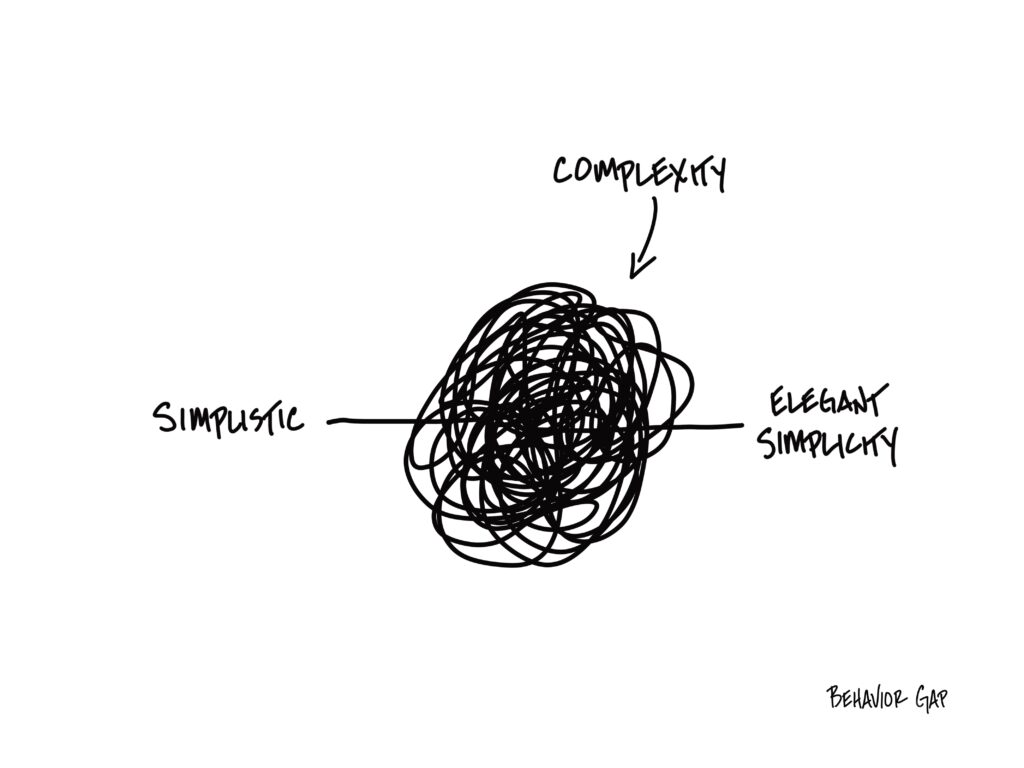
For over 25 years, we’ve helped clients simplify their financial decisions and approach retirement with confidence. Our philosophy is what we call Elegant Simplicity, which helps you see the big picture clearly and make informed decisions without unnecessary complexity.

As a fiduciary, our only goal is to help you make the best possible choices for your future.

You’ll get professional advice that’s accessible, practical, and rooted in decades of experience.
Joseph Carbone CFP® providing financial advice

Book Your Free Intro Call to See if We’re a Good Fit!

In just 15 minutes, we will discuss your divorce situation, your retirement timeline, and the financial decisions in front of you to determine whether working together makes sense. It’s completely complimentary.

This is a no pressure call and there is nothing you need to prepare.

It is designed for individuals navigating divorce near retirement who want clarity around pensions, Social Security, investment accounts, and long term income planning before finalizing a settlement.

Frequently Asked Questions

Yes, of course. Our firm is structured to work with clients virtually all across the country.

We primarily work with individuals aged 50 and older who seek clarity and confidence as they transition into retirement. This is when financial decisions can feel overwhelming, and our job is to simplify the process so you can focus on enjoying life.

Absolutely not. We understand that times are changing, and some folks want only an advice relationship. For the people who prefer to work with us on an hourly or flat-fee basis, handle their own investments, and come back for periodic reviews.